
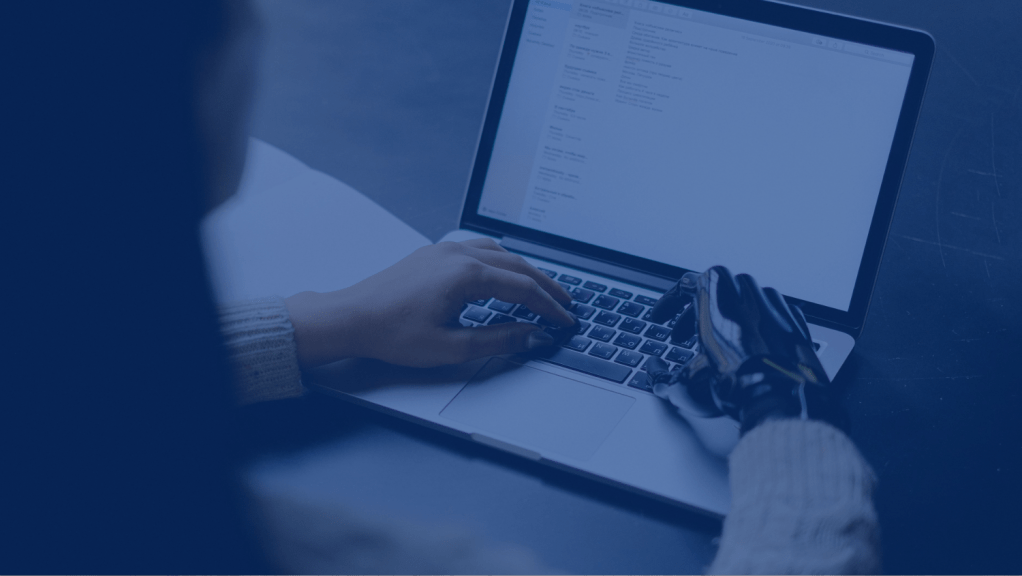
Automation frees HR from the mundane, but people still need people
The headlines boast about AI’s capabilities, from drafting emails to screening CVs. Some even suggest AI in HR will make our jobs redundant. So, is the future of HR simply a series of algorithms and chatbots? Can’t companies simply outsource HR to chatbots? The answer is a strong NO.
While Artificial Intelligence is undeniably transforming the HR landscape, it cannot replicate the nuanced, empathetic and strategic elements that truly drive human capital. In fact, as AI handles the transactional, the human element of HR becomes more critical, not less.
Where AI in HR is revolutionising things and what it does best
AI is most certainly changing the HR landscape by automating many things. It’s already making significant contributions to HR, for example:
- McKinsey reports that generative AI holds the largest value potential for HR, around 20 percent, in talent acquisition, recruiting and onboarding. AI-powered Applicant Tracking Systems (ATS) can screen thousands of CVs in no time and identify top candidates based on skills. This saves countless hours for recruiters.
- AI can analyse vast datasets to predict attrition risk, identify skill gaps, or understand employee sentiment from survey data. Not every HR professional has strong analytical capabilities, so this provides HR leaders with unprecedented insights for strategic decision-making. Perhaps never has HR been so well-equipped with data as it is today.
- From payroll processing and benefits administration to answering routine employee queries via chatbots, AI takes the heavy lifting out of repetitive administrative tasks. It can also answer lots of simple questions, which saves HR time.
These advancements are fantastic for efficiency. They free up HR professionals (or, in your case, a specialist HR partner) to focus on higher-value activities. As Josh Bersin wisely noted, “Automation of one task leads all of us to do higher level things and this is going to continue forever. In other words, we become ‘Superworkers’.” This rings true for HR, too. AI helps HR become “superworkers,” handling the routine so they can tackle more complex, strategic challenges. This is precisely where the indispensable role of human HR truly begins.
Why your growing business still crucially needs human HR
Again as Josh Bersin notes, “AI will not replace humans, but those who use AI will replace those who don’t.” This highlights a very important thing: AI is a tool, not a replacement for human judgment, empathy and strategic insight.
Here’s why your growing business still crucially needs human HR:
Navigating nuance and emotion
AI processes data; it doesn’t possess emotional intelligence. While it can flag patterns of dissatisfaction, it struggles with the complex human emotions behind an employee’s personal struggles, team burnout or sensitive interpersonal conflicts. As leadership coach Brené Brown often highlights, empathy and vulnerability are at the core of human connection. AI can’t mediate a delicate dispute with genuine understanding, offer compassionate guidance during a crisis, or provide instant, nuanced advice in a tough HR consultation. These “human” skills of perception, empathy, creativity, ambition, passion, grit and innovation are the bedrock of effective HR and are nowhere to be found in AI.
Strategic vision and adaptation
AI excels at analysing past data and predicting trends. However, it cannot create a visionary people strategy that aligns with your unique business goals, anticipate future market shifts or innovate beyond existing patterns. It lacks creativity and foresight. Building a compelling company culture, designing unique employee value propositions, or navigating complex organisational changes – like a merger or significant restructure – demands human strategic thinking, ethical consideration and the ability to inspire and lead. You can’t simply prompt a chatbot to create a thriving company culture or assess a candidate’s genuine cultural fit from a CV alone. Dion Wiggins notes that real-world decision-making is messy, ambiguous and filled with trade-offs; while AI optimises for efficiency, HR leaders navigate human complexity where numbers alone don’t dictate the right path. HR also tackles tough calls with incomplete information, where decisive action is needed before all variables are known.
Ethical decision-making and bias mitigation
AI learns from the data it’s fed. If this data contains historical biases, AI will unfortunately replicate and even amplify them. Without human oversight, this can lead to discriminatory outcomes in recruitment, performance reviews and career progression. A human HR expert is crucial to ensure fairness and apply ethical judgment where a purely data-driven approach might fall short. Human HR serves as the essential ethical guardian.
Building genuine relationships and trust
HR is fundamentally about people. Building trust with employees and fostering open communication are paramount for engagement and retention. This requires face-to-face conversations, active listening and the ability to adapt to individual needs – qualities no chatbot can truly achieve. Consider crucial conversations like performance management that genuinely supports growth, delicate disciplinary processes or sensitive grievance handling. These all demand the human connection and trust that a machine simply cannot build. As Dion Wiggins highlights, AI can provide recommendations, but it cannot foster trust, mentor teams, or inspire confidence in uncertain times, critical elements of leadership and strategy execution.
Understanding context and unleashing potential
AI can analyse performance metrics, but it can’t truly grasp the why behind underperformance, the potential in an unconventional candidate, or the unspoken motivations driving an employee’s career aspirations. It lacks the ability to “read between the lines” or intuit subtle cues. There are too many subtle factors where you need to gather information, sometimes by talking discreetly with people or by understanding their true meaning. A human HR professional acts as a coach, mentor and advocate, helping individuals unlock their full potential and navigate their careers. This goes beyond data points; it’s about understanding human ambition and complex challenges.
We solve HR problems that AI can’t
Companies shouldn’t just blindly rely on AI for their HR capabilities. You need the efficiency AI in HR offers, but more importantly, you need the human expertise that AI hasn’t got.
At Accelerator, we provide expert, comprehensive HR solutions that leverage the best of AI’s efficiency for tasks like compliance checks and basic queries, but our core value lies in the human intelligence we bring:
- We’re far more than just processing transactions; we’re your trusted advisors, helping you build a people strategy that fuels your growth.
- We navigate complex employee relations with sensitivity and fairness, ensuring amicable resolutions that protect your business and your people.
- We ensure your practices are compliant, fair and future-proof, safeguarding your reputation and mitigating risks.
- We help you build a thriving workplace culture where your ambitious team feels valued, engaged and motivated.
Conclusion:
Forget the noise about AI replacing HR. Although AI is a powerful tool, it simply can’t replace the human element – AI is just a tool. So, use AI for what it excels at – handling repetitive tasks efficiently – and preserve the human touch for situations demanding empathy, complex problem-solving and relationship-building. This is precisely how you’ll build a resilient and successful business in the AI age. Ultimately, HR professionals must continue to evolve, developing new skills and leveraging technology to enhance their vital roles.
 Accelerator Ltd: HR & employment law consultants for UK small, medium businesses and startups

Leave a comment